RTCO Swarm
An Android and web command deck that turns a network of machines into one readable system.
The workbench
A selection of things built, connected, repaired, and explored. Live platforms, private tools, prototypes, and lab work — with their status shown.
02 / Proof of work
Real projects across software, commerce, connected hardware, and recovery. Each with a problem worth solving.
An Android and web command deck that turns a network of machines into one readable system.
Homebrew preparation, custom emulator builds, and save preservation for a classic handheld.
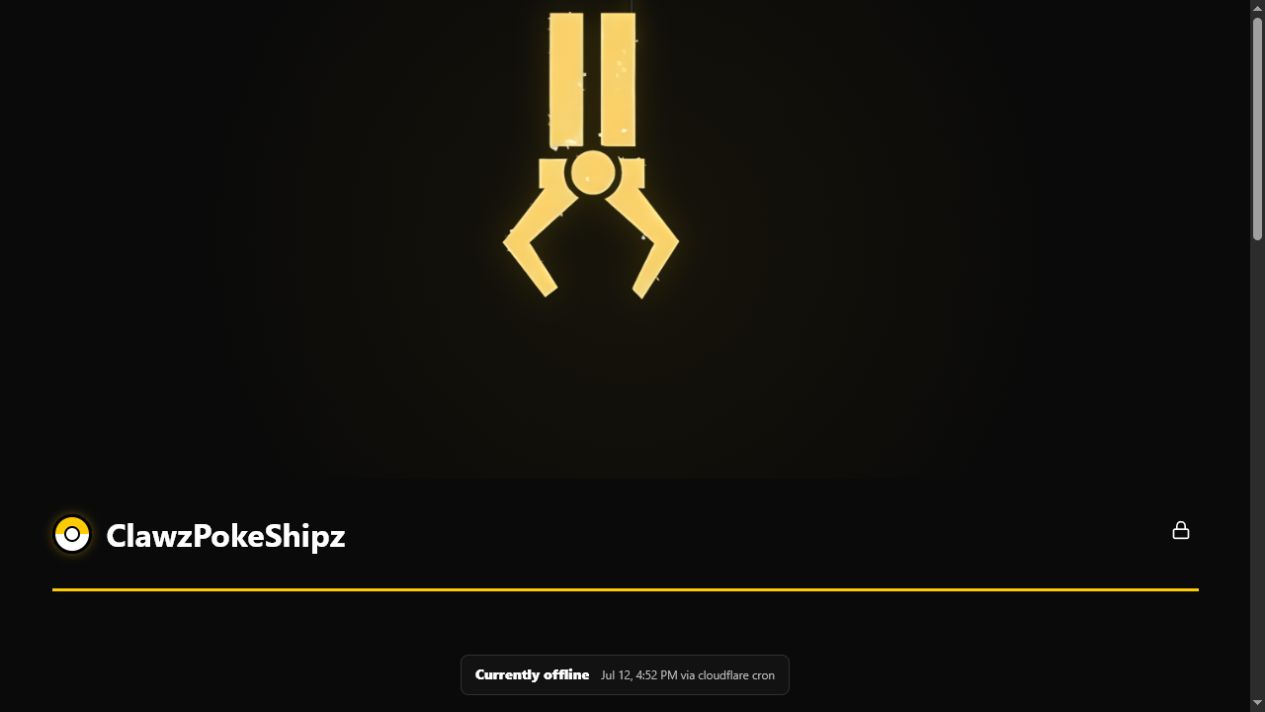
A live-status hub and storefront for a TikTok creator, backed by one Cloudflare Worker.
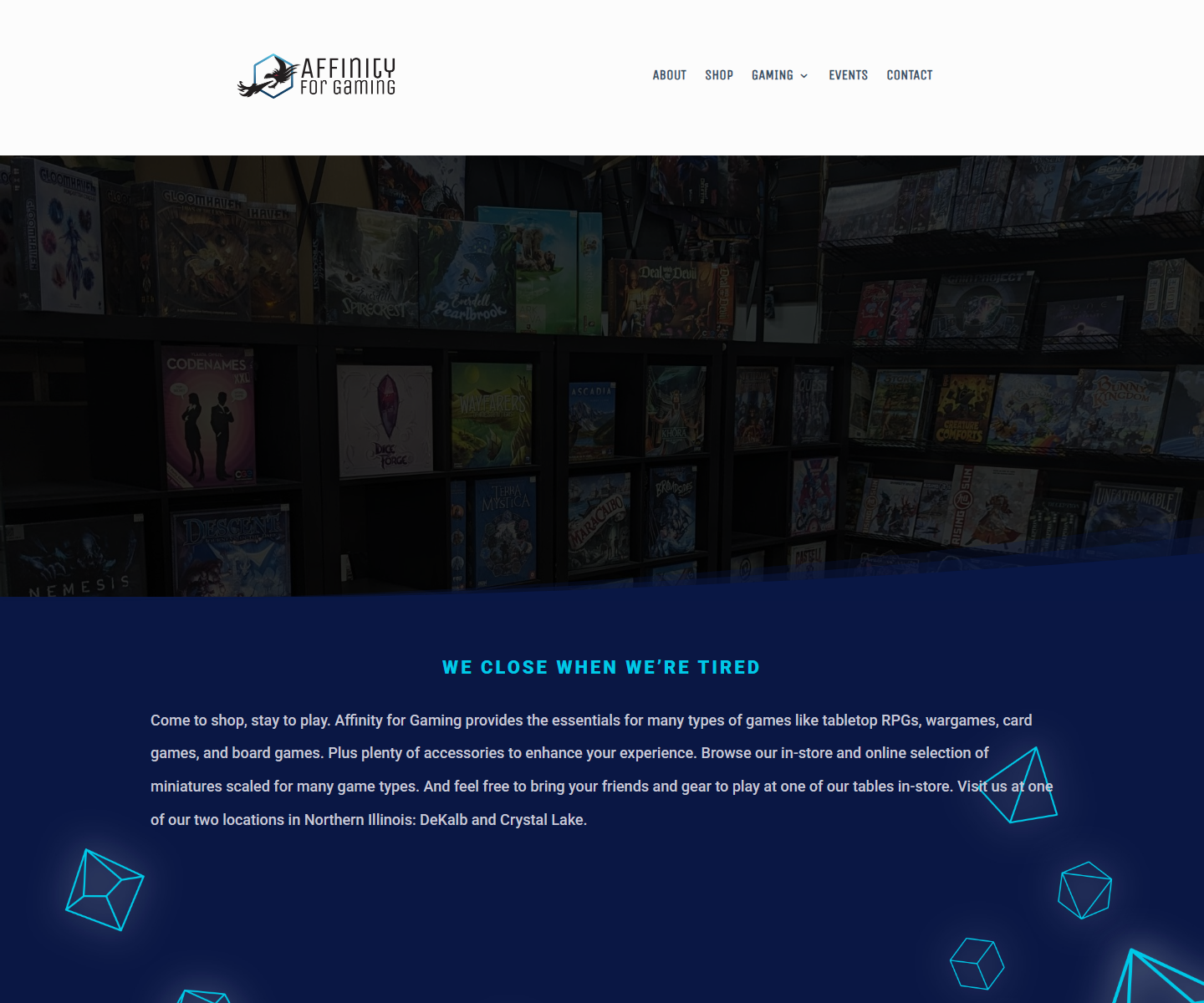
A custom storefront direction for a local tabletop and gaming business.
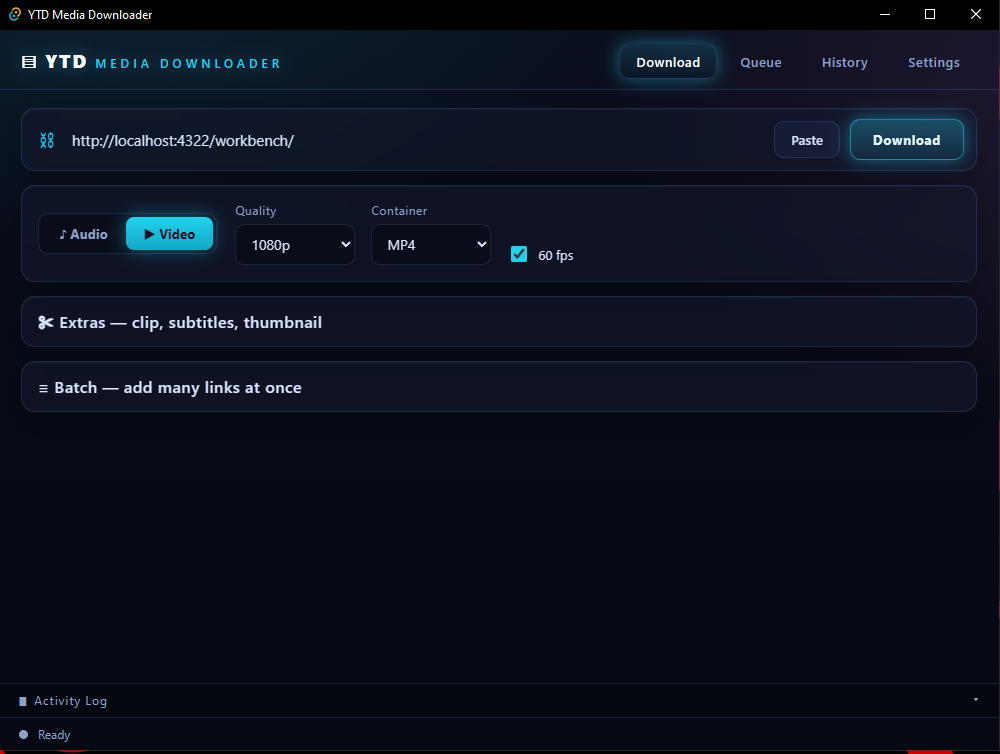
A packaged Windows application for permitted audio and video downloads.
A standalone local control system for live-sale overlays and OBS production.
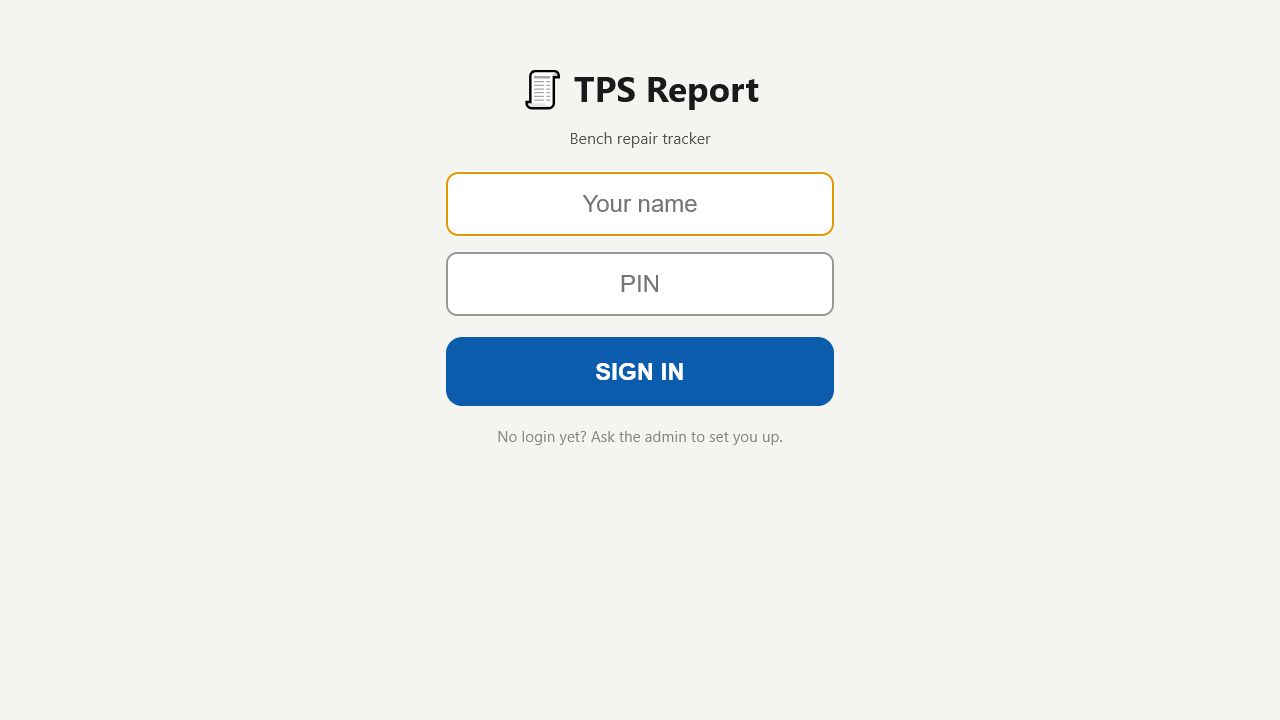
A secure barcode-driven repair and inventory tracker for slot-machine parts.
PHYSICAL PIXELS. SOFTWARE POSSIBILITIES.
Native firmware and a desktop controller for a 240×240 round LCD.
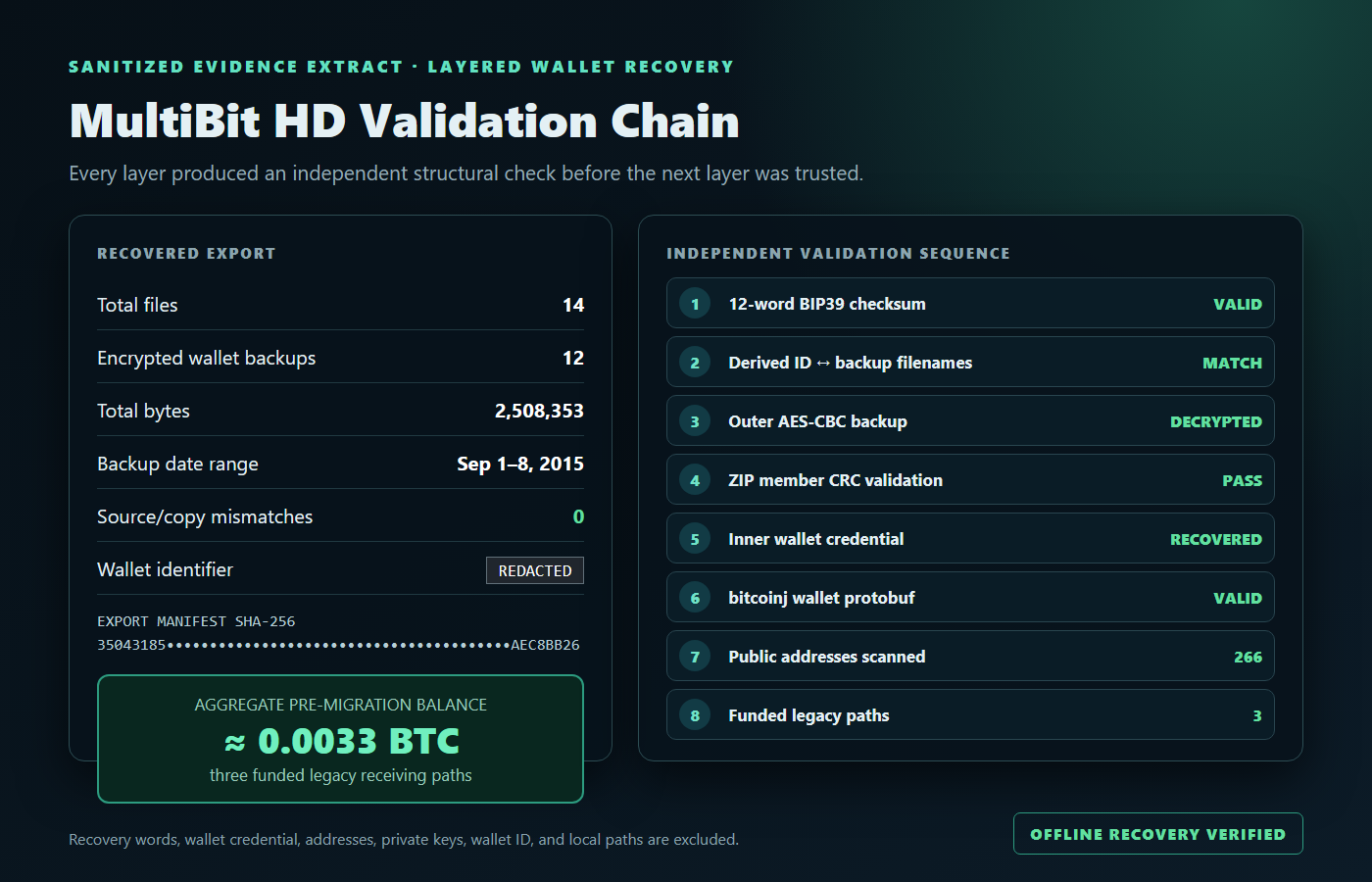
A documented recovery from an orphaned encrypted vault through a confirmed legacy-wallet migration.
03 / The website is the demonstration
A browser can be a control room, a storefront, an instrument, or a world. Try the system below. This is the kind of thinking we bring to your project.
Swarm brings live telemetry, history, and physical controls into one interface. This interactive model shows how the pieces fit together.
See the connections.
Select a node to inspect its role.
Change the conditions.
Follow an incident from detection to the command deck.
Make complexity readable.
Scrub through history. Inspect the signals. Save a snapshot.
Missing readings leave a gap. History keeps the last known signals.
The Python aggregator collects signals and makes one consistent state available to the web and Android interfaces.
This model uses sample states. No private lab telemetry or controls are exposed.
Real-time 3D, product exploration, and interactive storytelling.
Dashboards, telemetry, maps, and interfaces that respond to change.
APIs, checkout, automation, and workflows beyond the page.
Touch, keyboard, accessibility, and adaptive layouts built together.