RTCO Swarm
An Android and web command deck that turns a network of machines into one readable system.
Ideas into working systems
Then make it extraordinary.
Custom websites. Useful software. Hardware with a second life.
One technical partner, from the first “what if” to the finished thing.
Software gives the system its purpose.
DRAG OR USE ARROW KEYS · CLICK A LAYER REAL-TIME 3D
01 / What we can do
You don’t need to know which technology you need. Start with what you want to make possible.
Digital experiences people remember. Systems that do the work.
Connect the storefront, the stream, and the operation behind them.
Unlock possibilities in the hardware you already love.
Protect the important things. Get back to a working system.
Bring physical devices and useful software into the same conversation.
02 / Proof of work
Real projects across software, commerce, connected hardware, and recovery. Each with a problem worth solving.
All projectsAn Android and web command deck that turns a network of machines into one readable system.
Homebrew preparation, custom emulator builds, and save preservation for a classic handheld.
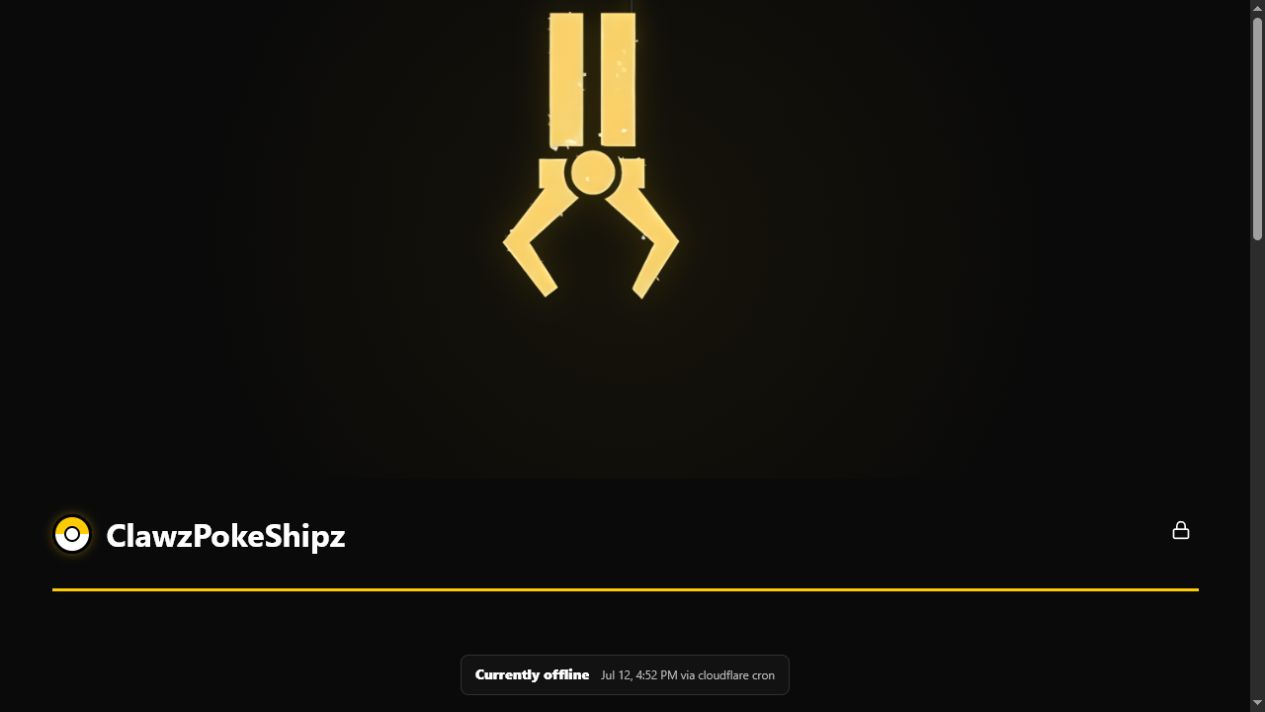
A live-status hub and storefront for a TikTok creator, backed by one Cloudflare Worker.
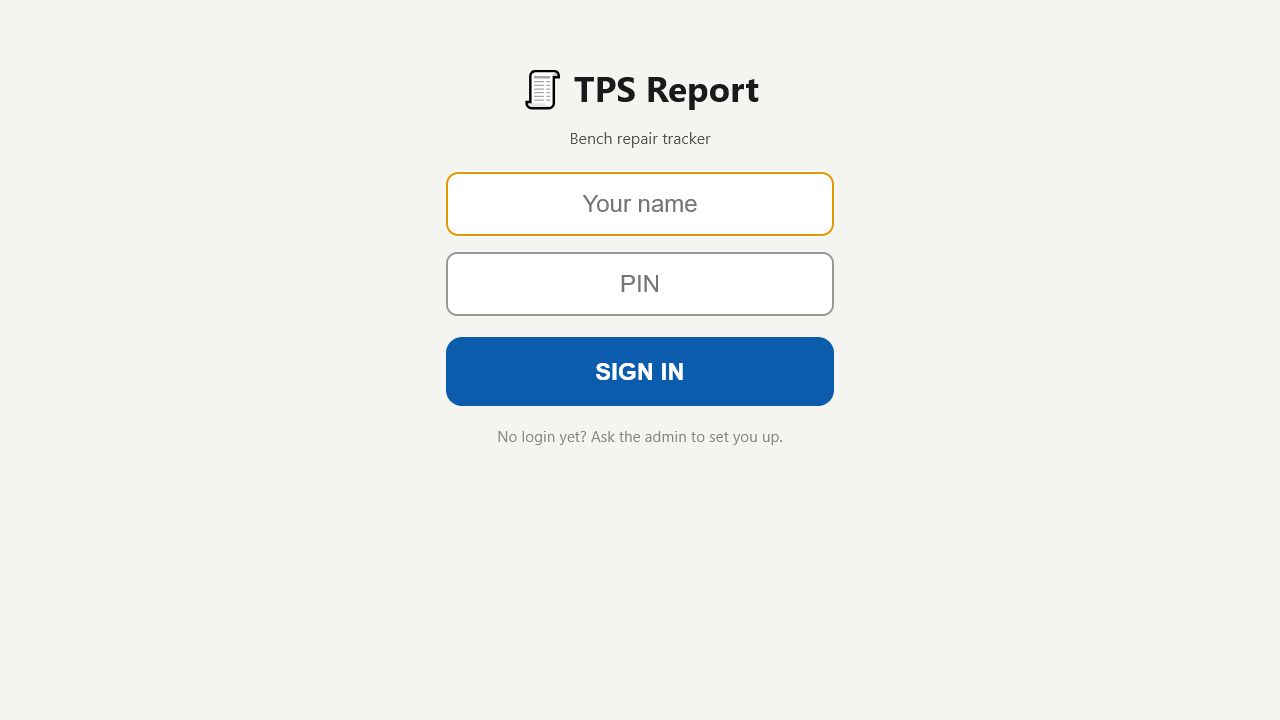
A secure barcode-driven repair and inventory tracker for slot-machine parts.
03 / The website is the demonstration
A browser can be a control room, a storefront, an instrument, or a world. Try the system below. This is the kind of thinking we bring to your project.
Swarm brings live telemetry, history, and physical controls into one interface. This interactive model shows how the pieces fit together.
See the connections.
Select a node to inspect its role.
Change the conditions.
Follow an incident from detection to the command deck.
Make complexity readable.
Scrub through history. Inspect the signals. Save a snapshot.
Missing readings leave a gap. History keeps the last known signals.
The Python aggregator collects signals and makes one consistent state available to the web and Android interfaces.
This model uses sample states. No private lab telemetry or controls are exposed.
Real-time 3D, product exploration, and interactive storytelling.
Dashboards, telemetry, maps, and interfaces that respond to change.
APIs, checkout, automation, and workflows beyond the page.
Touch, keyboard, accessibility, and adaptive layouts built together.
A clear process
Useful engineering comes with a clear scope, an explanation you can follow, and something you can actually use.
Start with the goal, the equipment, and the parts that matter. Inspect before changing anything.
Agree on the scope, the tradeoffs, and the next step. Know what you’re getting before the work begins.
Make the system work in the conditions where you’ll use it. Test the details that affect the outcome.
Get the finished thing, a useful explanation, and a setup you can keep working with.
04 / Let’s find the starting point
No perfect brief required. Pick a direction and tell us what success would look like. We’ll work out the useful next step together.
Your direction and goal are saved on this device. Download a copy or continue to the contact form when you’re ready.
Choose a direction, or start with the idea. You can refine it later.